

Training Philosophy
My training philosophy is rooted in the idea that better house dogs make better bird dogs. Today’s hunting dogs spend far more time in the home than in the field, and I focus on developing calm, well-mannered companions whose training seamlessly carries over to hunting situations.
Through thoughtful structure, purposeful exercise, and mental stimulation, I strive to build a collaborative, working partnership with independent-minded dogs—guiding them to develop problem-solving skills and a genuine eagerness to learn.
My approach begins with positive, reward-based clicker training to build a strong foundation. Once a dog fully understands a behavior, we can introduce e-collar training to reinforce commands—always using the lowest level of stimulation necessary to achieve the desired response.
Core Training Principles:
Structure in the Home

My training program is unique in that it emphasizes both excellent house manners and strong bird dog skills.

Instead of being kenneled outdoors while waiting for training, dogs in my program live in my home as part of the family. They sleep in my bedroom and experience daily life as a well-mannered house dog, ensuring their training is practical.
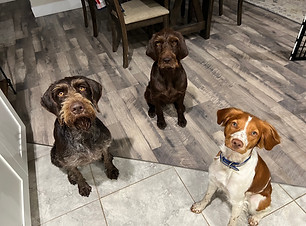
Dogs thrive on routine, so each day follows a structured schedule that includes training, exercise, playtime, bone-chewing, and rest. This consistency helps develop confidence and good behavior both in the home and in the field.
Core Training Principles:
High Intensity Exercise
_edited.jpg)
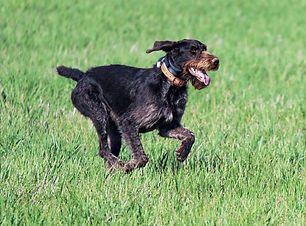
Year-round conditioning is essential to prevent injuries and strain on a dog’s paw pads, muscles, joints, and tendons. I believe in maintaining a dog's fitness steadily rather than expecting them to go from a sedentary lifestyle to full hunting days without preparation.

Regular exercise is also key to good house manners. A properly exercised dog is more relaxed and well-behaved indoors, while pent-up energy can lead to restlessness and poor behavior.
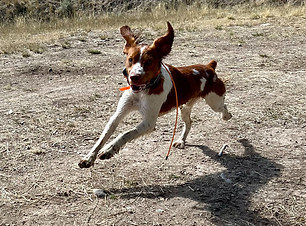
Every dog in the Board & Train program receives 1–2 hours of off-leash exercise, at least four days per week, while exploring a variety of terrains—prairie, marsh, mountains, and water (depending on the season).
Core Training Principles:
Mental Stimulation

Most hunting dogs are intelligent, high-drive working dogs that are bred to have a purpose. Without clear direction and meaningful work, they’ll happily create their own—often in the form of chewed furniture, dug-up yards, or other unwanted behaviors.

While a long hike may take the edge off for an afternoon, physical exercise alone isn’t enough. Over time, dogs simply build endurance and become harder to exhaust. Purposeful training that engages a dog’s nose and mind is what truly fulfills them, creating calmer, more focused companions in the home and more capable partners in the field.

Mental stimulation can include essential house dog skills such as reliable recall, place, and heeling, alongside specialized bird dog work tailored to each individual dog. This may include retrieving, steadiness, tracking, and obstacle course exercises designed to build confidence, problem-solving ability, and real-world reliability.

Are you ready to have a
well-trained dog in the home and an exceptional hunting companion in the field?
Contact us to begin your dog training journey